
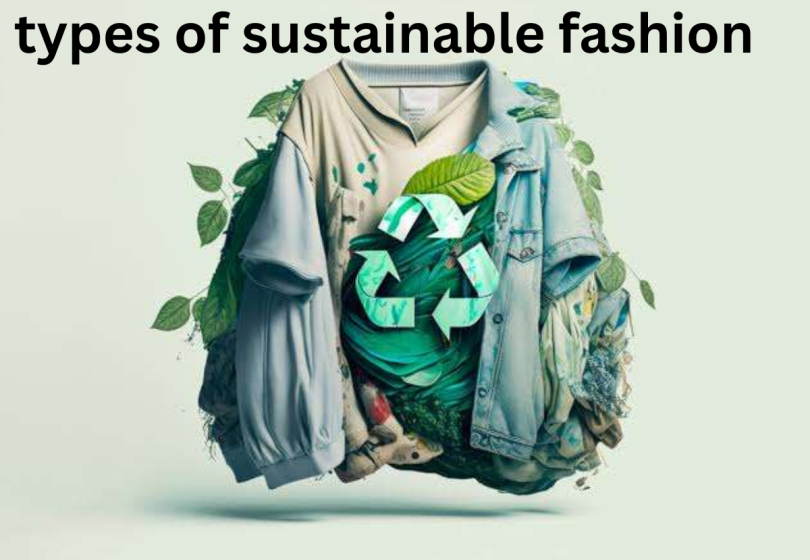

Hey friend! So you want to know about types of sustainable fashion—awesome! Sustainable fashion isn’t just a buzzword; it’s a whole approach to how we make, buy, and wear clothes that cares for the planet, animals, and people.
Fashion doesn’t have to come at a cost to the earth or workers. The good news? There are lots of ways to be sustainable with your style. Let’s walk through the main types, what makes each special, and the benefits and challenges they bring.
What is Sustainable Fashion?

In simple terms, sustainable fashion is about making clothing in ways that are environmentally responsible, socially fair, and economically viable. Instead of quick, cheap, disposable fashion, sustainable fashion aims to be mindful about every step—from growing raw materials to how we wear and dispose of clothes.
1. Ethical Fashion
What is it?
Ethical fashion focuses on the people behind the clothes—ensuring workers get fair pay, work in safe conditions, and are treated with respect. It fights against sweatshops, child labor, and unfair practices common in the fashion supply chain.
Benefits:
- Supports fair wages and good working conditions worldwide
- Helps reduce exploitation in the fashion industry
- Promotes transparency and accountability in brands
Drawbacks:
- Often more expensive due to fair labor costs
- Ethical certifications can be complex and hard to verify fully
- Not always accessible for all budgets or locations
Examples:
Brands like Patagonia and People Tree emphasize ethical production. Shopping from these brands means your money supports people, not just profits.
2. Eco-Friendly Fashion (Green Fashion)
What is it?
This type focuses on reducing environmental impact. It uses materials and production methods that save water, reduce pollution, and lower carbon footprints.
Popular Materials:
- Organic cotton (grown without pesticides)
- Hemp (fast-growing and requires little water)
- Bamboo (renewable and biodegradable)
- Tencel (made from sustainably sourced wood pulp)
- Recycled fabrics (like polyester from plastic bottles)
Benefits:
- Less toxic chemicals and pesticides used
- Reduced water and energy consumption
- Decreases pollution and waste
Drawbacks:
- Some eco fabrics, like bamboo, can have controversial processing methods
- Organic materials often cost more to produce
- Not all eco-labels are equally strict or trustworthy
Quick tip:
Look for certifications like GOTS (Global Organic Textile Standard) for genuine eco-friendly fabrics.
3. Slow Fashion
What is it?
Slow fashion is the opposite of fast fashion’s fast-paced, disposable mentality. It emphasizes buying less but better-quality pieces that last longer and transcend trends.
Benefits:
- Durable, timeless clothes reduce waste
- Encourages mindful consumption habits
- Often made with better materials and craftsmanship
Drawbacks:
- Initial cost can be higher for slow fashion pieces
- Requires effort in maintaining and repairing clothes
- Not as trendy or immediate as fast fashion, which some shoppers find limiting
Why it matters:
Slow fashion helps reduce the enormous environmental footprint caused by producing billions of cheap clothes each year.
4. Upcycled and Recycled Fashion
What is it?
Upcycling transforms old or discarded items into something new and often unique, while recycling breaks down materials to create new fabrics.
Examples:
- Old denim jeans turned into bags or patchwork jackets
- Plastic bottles transformed into polyester fleece sweaters
- Textile scraps used to make new garments
Benefits:
- Keeps textiles out of landfills
- Saves resources and energy by reusing materials
- Inspires creativity and uniqueness
Drawbacks:
- Upcycled items can be limited in quantity and styles
- Recycling fibers can degrade fabric quality over time
- Not all recycling processes are environmentally friendly
Fun fact:
Some brands like Rothy’s and Patagonia use recycled plastics to make stylish shoes and jackets!
5. Vegan Fashion
What is it?
Vegan fashion avoids all animal-derived materials like leather, fur, wool, silk, and down, favoring plant-based or synthetic alternatives.
Benefits:
- Prevents animal cruelty and exploitation
- Often has a smaller carbon footprint than traditional animal textiles
- Appeals to ethical vegans and animal lovers
Drawbacks:
- Some synthetic alternatives (like PU leather) aren’t biodegradable
- Synthetic fabrics can shed microplastics into the ocean
- Plant-based leathers (like pineapple or mushroom leather) are still emerging and can be pricey
Pro tip:
Look for plant-based vegan materials like Piñatex (from pineapple leaves) or Mylo (from mushrooms) for more sustainable options.
You may also like to read these posts:
Tips for Following Influencers: How to Make the Most of Social Media (Benefits & Drawbacks Included)
Tricks to Go Viral Online: The Ultimate Friendly Guide with Benefits & Drawbacks
List of Trending Memes (2025) – Explained in Detail
6. Secondhand and Thrifted Fashion
What is it?
Buying clothes that have been previously owned—whether at thrift stores, consignment shops, or online resale platforms.
Benefits:
- Extends the life of clothing, reducing waste
- Saves water and energy by reusing garments
- Often more affordable and unique finds
Drawbacks:
- Can be time-consuming to find the right pieces
- Some secondhand items may need repairs or cleaning
- Limited control over sizing and style options
Insider tip:
Thrifting is a fantastic way to build a unique wardrobe without contributing to new clothing production.
7. Rental Fashion

What is it?
Instead of owning, you rent clothing for special occasions or everyday wear and then return it.
Benefits:
- Reduces the need to buy new clothes
- Great for one-time events or rapidly changing style preferences
- Saves closet space and money in the long run
Drawbacks:
- Renting can get expensive over time if done frequently
- Risk of damage fees or limited availability of sizes
- Concerns about hygiene and garment condition (though many rental companies use strict cleaning processes)
Who should try this?
Perfect if you love variety or want designer pieces without the hefty price tag.
8. Local and Artisanal Fashion
What is it?
Supporting local artisans and small-scale producers who create handmade or traditionally crafted clothing.
Benefits:
- Preserves cultural heritage and craftsmanship
- Reduces carbon footprint by avoiding mass shipping
- Creates unique, high-quality pieces
Drawbacks:
- Usually higher cost due to labor-intensive processes
- Limited production capacity means less availability
- Can sometimes be challenging to find these brands outside local markets
Bonus:
Supporting local businesses strengthens communities and keeps traditions alive.
Final Thoughts: Benefits & Challenges of Sustainable Fashion Overall
Benefits:
- Helps reduce fashion’s massive environmental footprint (water use, carbon emissions, pollution)
- Promotes fair labor practices and social justice
- Encourages more thoughtful, lasting relationships with clothes
- Supports innovation in materials and production techniques
Challenges:
- Sustainable fashion often costs more upfront
- Requires more effort and awareness from consumers
- Not always mainstream or widely available in every region
- Complexity in verifying claims and certifications
How to Start Your Sustainable Fashion Journey Today
- Educate yourself about where your clothes come from
- Buy less and choose quality
- Support brands that prioritize sustainability and ethics
- Thrift or swap clothes with friends
- Take care of your wardrobe: wash less, repair more
- Experiment with rental or vegan fashion options
Remember: every small change counts and adds up to a big impact.
FAQs
1. What exactly is sustainable fashion?
Sustainable fashion refers to clothing and accessories produced in ways that are environmentally friendly, socially responsible, and economically fair. It aims to reduce waste, pollution, and exploitation across the entire fashion supply chain.
2. How is sustainable fashion different from fast fashion?
Fast fashion focuses on quickly producing cheap, trendy clothes that often end up in landfills. Sustainable fashion emphasizes quality, durability, ethical production, and environmental care—encouraging consumers to buy less and choose better.
3. What are the most common types of sustainable fashion?
The main types include:
Ethical fashion (fair labor practices)
Eco-friendly fashion (environmentally safe materials)
Slow fashion (durable, timeless pieces)
4. Is sustainable fashion always more expensive?
Often, yes. Sustainable practices and materials usually cost more to produce than fast fashion. However, because sustainable clothes last longer and reduce waste, they can save you money over time. Plus, secondhand shopping and renting offer budget-friendly options.
5. How can I tell if a brand is truly sustainable?
Look for transparency in their supply chain, certifications (like GOTS for organic textiles or Fair Trade), and clear policies on labor practices and environmental impact. Also, check reviews and third-party reports for credibility.


