
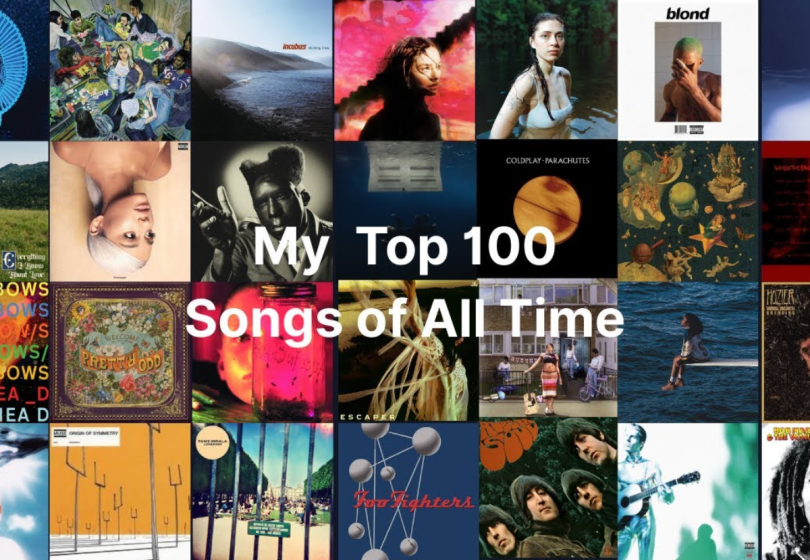

Hey! Imagine us sitting down for a chat about music—the kind of conversation that just flows, with you sharing your favorite songs and me tossing in some classics. When people talk about the “top 100 songs of all time list,” they’re really trying to capture something huge: the essence of music that has touched hearts, shaped cultures, and stood the test of time.
What Exactly Is a “Top 100 Songs of All Time List”?

In its simplest form, it’s a ranked collection of songs deemed the most important, influential, or beloved across history. These lists often come from:
- Music critics and experts
- Public polls and fan votes
- Chart data and sales metrics
- Cultural significance and influence
- Personal or editorial opinions
Because music is so subjective, no list is definitive. But these collections try to give a snapshot of what songs have made the biggest impact.
Why Do People Care So Much About These Lists?
Let’s get real—music is personal, emotional, and tied to memories. But the “top 100 songs of all time list” serves several key purposes:
1. Celebrating Musical Milestones
Songs like “Imagine” by John Lennon or “Bohemian Rhapsody” by Queen aren’t just hits; they’re landmarks in musical history. These lists highlight such masterpieces, helping us appreciate their place in culture and art.
2. A Starting Point for Exploration
Not sure where to start in the vast world of music? These lists act like trusted guides, pointing you toward songs that many consider timeless.
3. Building a Shared Musical Language
When many people know the same songs, music becomes a common thread across generations and cultures. It’s easier to connect, share stories, or even debate passionately about your favorite tracks.
How Are These Lists Made?
Great question! The process varies widely:
- Critics’ Picks: Publications like Rolling Stone or Billboard assemble panels of experts who evaluate songs based on artistry, influence, innovation, and legacy.
- Public Polls: Radio stations or music platforms ask listeners to vote for their favorite songs. This can reveal more about popular sentiment than critical acclaim.
- Data-Driven Lists: Some rankings consider sales numbers, chart longevity, streaming counts, and cultural impact metrics.
- Hybrid Approaches: Many lists combine these methods to balance popular appeal and artistic merit.
Popular Examples of “Top 100 Songs of All Time” Lists
- Rolling Stone’s 500 Greatest Songs (Top 100 subset): Updated over decades to reflect changing tastes and new classics.
- Triple J’s Hottest 100 of All Time: An Australian radio station’s fan-voted list reflecting more contemporary tastes.
- Billboard’s Greatest Songs: Data-driven, combining sales and chart performance.
- Genre-Specific Lists: For example, “100 Greatest Country Songs” or “Top 100 Rock Songs.”
The Benefits of a “Top 100 Songs of All Time List”

1. Cultural Preservation and Education
These lists preserve musical legacies. They remind us where music has been, and inspire curiosity about artists and movements we might otherwise overlook.
2. Discovering New Favorites
You might discover hidden gems or forgotten classics you wouldn’t have heard without these lists.
3. Sparking Meaningful Conversations
Music connects us. These lists create shared ground to discuss tastes, histories, and emotions—sometimes leading to deep friendships or spirited debates.
4. Encouraging Musical Appreciation
Understanding why a song is important can deepen your appreciation—not just for the song itself but for the craft of music-making.
You may also like to read these posts:
Online Mixing Tips for Bedroom Producers (With Benefits & Drawbacks)
Beginner Guitar Song Tutorials Easy – The Ultimate Guide for First-Time Players
The Best Music Podcasts: Your Ultimate Guide to Audio Gold
How to Promote Your Music as an Indie Artist — In Depth (with Pros and Cons)
The Drawbacks of These Lists
1. Subjectivity and Bias
No list is neutral. Often dominated by Western music or English-language songs, these lists may ignore or undervalue other cultures or genres.
2. Popularity Over Artistry
A chart-topping hit might not be artistically innovative, but still appears because of popularity. Sometimes, truly groundbreaking but less popular songs get left out.
3. Recency Bias
Newer songs may appear disproportionately because they’re fresh in voters’ minds, while older songs might be overlooked.
4. Risk of Narrowing Personal Taste
If you rely too much on official lists, you might miss out on personal discoveries. Your musical journey is unique, and lists can sometimes make tastes feel boxed-in.
5. Ranking Feels Arbitrary
Trying to rank songs from #1 to #100 suggests a finality that music doesn’t have. Personal preferences are fluid and diverse.
A Friendly Chat About What Should (or Shouldn’t) Be on the List
Picture us swapping favorites:
- Me: “‘Like a Rolling Stone’ is essential—it redefined rock and roll lyricism.”
- You: “True, but I think ‘Smells Like Teen Spirit’ changed the game for a whole generation.”
- Me: “Absolutely! And social anthems like ‘What’s Going On’ remind us music can also heal and provoke change.”
- You: “Don’t forget songs that just make you happy, like ‘Kung Fu Fighting’! Sometimes a fun song is just what we need.”
No list can perfectly capture every nuance, but that’s part of the charm—there’s always room for conversation.
How to Use a “Top 100 Songs of All Time List” Wisely
- As a Guide, Not Gospel: Use the list as a launchpad for exploration, not a rulebook.
- Add Your Personal Favorites: Balance the classics with what resonates with you.
- Explore Different Perspectives: Look at multiple lists from different cultures or genres to get a fuller picture.
- Keep An Open Mind: Let the list challenge and surprise you, but don’t feel bound by it.
Wrapping Up: Why the “Top 100 Songs of All Time List” Still Matters
At its heart, the “top 100 songs of all time list” is a celebration—of artistry, culture, and the emotional power of music. It invites us to reflect, discover, debate, and connect.
But remember, your personal soundtrack matters just as much. So whether you’re exploring a famous list or crafting your own, keep your ears and heart open. Music is a journey, and every list is just one map among many.
FAQs
1. What is the “top 100 songs of all time list”?
It’s a ranked collection of songs considered the most influential, popular, or important throughout music history. These lists are made by critics, fans, or based on data like sales and chart performance.
2. Who decides which songs make the list?
Different lists are created by different groups—music critics, industry experts, fan polls, or data analysts. Each has its own method and biases.
3. Are these lists objective?
Not really! Music is deeply subjective. While some lists use data (like sales or streams), personal taste, cultural background, and era often shape the choices.
4. Why do some songs appear on every list?
Certain songs have had huge cultural or musical impact—like “Imagine” by John Lennon or “Bohemian Rhapsody” by Queen—making them staples on many lists.
5. Can newer songs make it to the top 100?
Yes! Many lists update over time to include modern hits that have shown lasting influence, but sometimes recency bias affects rankings.


